Showing posts with label Food. Show all posts

Thursday, January 27, 2011

10 Foods That Can Help You Sleep


Trying to get more shut-eye? Take a look at your diet. Eating the right foods in the hours before you hit the hay may help you fall asleep faster, say experts, and even improve the quality of your sleep. Keep reading for your get-sleepy grocery list, and remember to stop noshing two hours before bedtime to give your body enough time to properly digest.

Almonds

“Almonds are a winner,” says Jacob Teitelbaum, MD, medical director of the Fibromyalgia and Fatigue Centers, and author of the bestselling book From Fatigued to Fantastic! “They contain magnesium which promotes both sleep and muscle relaxation,” he says. “And they have the added benefit of supplying proteins that can help maintain a stable blood sugar level while sleeping, and help promote sleep by switching you from your alert adrenaline cycle to your rest-and-digest cycle.” Try this bedtime snack: Have a tablespoon of almond butter or a 1-ounce portion of almonds to help your body relax. Photo: Shutterstock


Tea 


Yes, avoiding all caffeine in the evening hours is key, but some decaf varieties can help get you into sleep mode, says Dr. Teitelbaum. “Chamomile tea is a very helpful and safe sleep aid,” he says, adding that green tea is another good choice. “Green tea contains theanine, which helps promote sleep. Just be sure you get a decaf green tea if drinking it at bedtime.” Experts recommend trying a 1-cup serving of the hot stuff. Photo: Thinkstock


Miso Soup 

You love to order this comforting, broth-based soup in Japanese restaurants, but keeping a few 8-ounce packs of instant miso soup at home may be key when you’re having trouble falling asleep, says Stella Metsovas, CN, a nutritionist in Laguna Beach, California. Here’s why: Miso contains amino acids that may boost the production of melatonin, a natural hormone that can help induce the yawns. Bonus: Research shows that warm liquids like soup and tea may also relieve cold symptoms, helping you sleep better when you're feeling under the weather. Photo: Shutterstock


Banana 

Worried about falling asleep tonight? Have a banana before bed, says Saundra Dalton-Smith, MD, an internist and the author of Set Free to Live Free: Breaking Through the 7 Lies Women Tell Themselves. “Bananas are an excellent source of magnesium and potassium, which help to relax overstressed muscles. They also contain tryptophan, which convert to serotonin and melatonin, the brain’s key calming hormones." Try this tasty and incredibly simple bedtime smoothie: Blend one banana with one cup of milk or soy milk (and ice, if desired). Pour and enjoy!Photo: Shutterstock


Dairy 

Yogurt, milk and cheese do contain tryptophan, notes Dr. Dalton-Smith, but also have a surprising sleep-inducing nutrient: “Calcium is effective in stress reduction and stabilization of nerve fibers, including those in the brain." That means a serving of your favorite Greek yogurt before bed can not only help you sleep, but also help you stop worrying about the weird thing your boss said earlier at work. Photo: Thinkstock


Oatmeal 

You eat it for breakfast, but could a bowl of warm oatmeal help you get more rest? Yes, says Stephan Dorlandt, a clinical nutritionist based in Southern California. “Think about it,” he says. “Oatmeal is warm,soft, soothing, easy to prepare, inexpensive and nourishing. It’s rich in calcium, magnesium, phosphorus, silicon and potassium—the who's who of nutrients known to support sleep.” But go easy on the sweeteners; too much sugar before bed can have an anti-calming effect. Instead, consider topping your bowl with fruit, like bananas (see above). Photo: Shutterstock


Hard-Cooked Egg 

If you have trouble staying asleep at night, it may be because you didn’t eat a pre-bedtime snack high in protein, or perhaps your snack was too high in simple, high-sugar carbohydrates, like cake and candy. “The problem with simple carbs is that they can put you on a ‘sugar roller coaster’ and drop your blood sugar while you're sleeping, causing you to wake at 2 or 3 in the morning,” says Dr. Teitelbaum. A better bet? “Eat an egg, cheese, nuts or other protein-rich snack instead,” he says, “so you can not only fall asleep, but stay asleep.” Photo: Shutterstock


Edamame

Craving a salty snack before bed? Turn to lightly salted edamame, says Dr. Dalton-Smith—especially if you’re dealing with menopause-related symptoms. “The natural estrogen-like compounds found in soy-based products can be very beneficial in controlling those nighttime hot flashes that can disturb your sleep,” she says. If it’s crackers and dip you’re craving, try making this easy edamame recipe: In a food processor, blend together 2 cups of shelled, cooked edamame with 1 tsp salt, a drizzle of olive oil and 1 clove garlic (optional) until smooth. Photo: Thinkstock


Cherries 

 Oddly, a glass of cherry juice may be an effective way to fall asleep faster, says a team of researchers from the University of Pennsylvania and University of Rochester. In their study, they found that cherries, particularly tart cherries, naturally boosted the body’s supply of melatonin, which helped people with insomnia. While the jury is still out on how much juice or how many cherries are needed to make you sleepy, experts say sipping a glass of cherry juice (available at most natural foods stores) or having a serving of fresh, frozen or dried cherries before bedtime couldn’t hurt. Photo: Thinkstock
Cereal 

There’s no need to feel guilty about having a small bowl of cereal before bed, especially if it’s a low-sugar, whole-grain cereal. Not only is it a healthy snack (make sure you top it with milk to give your body the protein it needs), but it may also help you snooze. “Complex carbohydrate–rich foods increase the availability of tryptophan in the bloodstream, increasing the sleep-inducing effects,” says Dr. Dalton-Smith. Bonus: Top your bowl with a sprinkling of dried cherries (see above) for extra help catching your zzz's.


Source: Shine magazine 

Tuesday, January 18, 2011

Clever and Creative Tea Packaging


Cigarette Tea Bags


Cigarettea are creative tea bags that look just like real cigarettes.

Tea Forté


Tall polyhedral infuser tea packs by Peter Hewitt, each with a disarmingly natural-looking leaf/sprout tag.

Tea Stick


Cool tea bags designed for people who do not make their tea in a kitchen: gardeners, builders and campers.

Lighting Tea Bag


Cool lighting concept by Wonsik Chae imitates the form of a tea bag

Hanger Tea

Creative tea bags by Soon Mo Kang are shaped like T-shirts with a hanger that hangs on the tea cup

Origami Tea Bags


Creative tea bags designed by Natalia Ponomareva from Russia.

Thursday, December 30, 2010

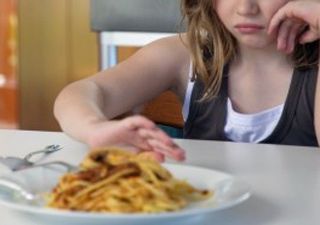
Eating Disorders Strike Younger and Younger


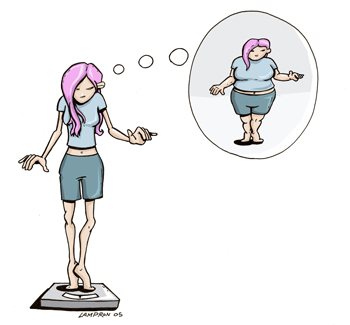
"I always wanted to be the good girl. Good girls are skinny and happy. The bad girls are the fat ones."
That was the explanation a recent visitor to the Alliance for Eating DisordersAwareness in West Palm Beach, Fla. gave when asked why she starved herself to the point of hospitalization. She was eleven years old.

Anorexia and its sister-disorder, bulimia,have historically been thought of as striking white, middle to upper class teenage girls. But a recent report from the American Academy of Pediatrics warns doctors that eating disorders arehappening to younger girls -- and boys -- at an alarming rate.

"People tend to have this idea of who gets eating disorders, but an eating disorder doesn't discriminate between age, gender, race, or class," says Johanna Kandel, founder and director of the alliance.

"Some research says that as much as ten percent of those with eating disorders are under the age of ten. What I'm finding at the alliance is that the number of parents seeking help for their 7-, 8-, 9-year-olds is escalating rapidly," she says.

A 2009 analysis found that in the last decade, hospitalizations for eating disorders more than doubled among children under twelve and now account for four percent of all such hospitalizations.

"Pediatricians need to be aware of the early symptoms of eating disorders because they are the medical professional that a child is mostly likely to see in any given year," says Dr. Jim Lock, director of the Eating Disorder Program at Packard Children's Hospital. "They are the gatekeepers."

It used to be that the onset of an eating disorder tended to be around mid-adolescence, around age fifteen or around the time of first menses at about age thirteen. So why are there a growing number of girls who are showing signs of bingeing and purging as young as eight?

When Kids are Weight-Obsessed

It could be hormonal, he says, as the onset of puberty has been occurring earlier over time, but a big trigger might be the dropping psychological onset of puberty as opposed to the physiological one. In terms of interest in appearance, clothing, social behavior and sexualization, girls at twelve are experiencing what girls at fourteen were experiencing just a decade ago, Lock says. Culturally, the cues to be concerned with appearance are being delivered to girls at younger and younger ages.
Part of the growth of anorexia may have to do with the growing focus on educating kids about obesity, Kandel says.

"There's been so much emphasis onchildhood obesity, all these programs to ameliorate the situation and in a way we're actually potentiating eating disorders. That's a very thin line we need to walk and make sure the dialogue is one of a healthy attitude towards food," she says.


How to Read the Signs

In many ways, an anorexic ten-year-old may not behave very differently from a fourteen-year-old one, experts say, but because of their age, parents and doctors may be less likely to recognize the signs of an eating disorder.

"What you look for is the same -- they stop eating, they start to restrict food intake or binge," says Dr. Carol Bernstein, associate professor of psychiatry at NYU School of Medicine. Unreasonable amounts of exercise and an obsession with food or weight are also signs that would be similar across the age group.

But because children do not have the mental or emotional maturity of their teen counterparts, Lock warns that they might not even be able to articulate that they are doing these things to lose weight. "Older girls might be able to say, I feel like I'm losing control or I feel scared that I'll gain weight, but like with any child psychiatric issue, you have to look at their behavior," he says.

A depressed child will often not recognize that they are sad but will have an unexplained stomach ache or be unable to sleep, he adds, so you have to watch the behavior. Parents should watch to see if their child may be displaying behaviors of an eating disorder even if they don't seem weight-obsessed.

The personality traits that tend to accompany eating disorders in older patients are also seen in children: anxiety, perfectionism and obsessive tendencies.

Weight loss doesn't necessarily have to be a symptom either, experts warn, because children under twelve are supposed to be putting on weight continually so even a child that is trying not to gain any weight could be doing his or herself harm.

Pediatricians, First Line of Defense

The American Academy of Pediatrics report, published Monday, suggests that pediatricians screen for eating disorders as part of annual checkups or during pre-participation sports exams. If an eating disorder is suspected, a more thorough history and physical exam should be ordered and possibly assessment for psychological problems.

It's essential to catch these behaviors at an early stage, Kandel says, "because you don't want this behavior to become any more entrenched than it already is."
For parents who are worried that their child might be at risk for developing an eating disorder, experts recommend teaching by doing.

"They observe and follow us," Bernstein says, so parents should set a good example and be careful not to obsess over food or their own weight in front of their children.

Encourage healthy eating in the home and stay away from using food as a punishment or reward, Kandel says, because this sets up an unhealthy relationship with food. Also stay away from talking about certain foods as categorically "good" or "bad" because this might lead to bingeing, she says

Source: ABC news 

Friday, December 24, 2010

Is a potato-only diet good for you?


A man in the US has eaten nothing but 20 potatoes a day for the past two months. So, the Magazine asks, what does such a diet do to the body?

Chris Voigt's reason for eating potatoes, potatoes and nothing but potatoes is as plain and simple as his diet has been for the past two months.

As executive director of the Washington State Potato Commission, he's trying to debunk perceptions that potatoes are unhealthy and instead are a good source of fibre, potassium and vitamin C.

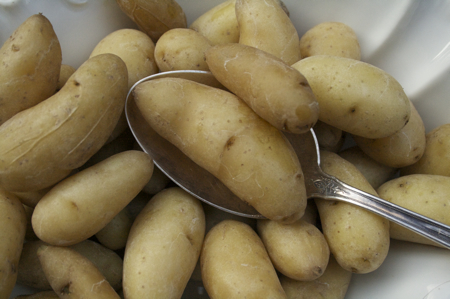
To that end, he's eaten nothing but 20 potatoes a day - no cheese toppings, no butter and milk for mashing - since 1 October. He's had them baked, chipped, boiled, steamed, mashed, fried - and for Thanksgiving last Thursday, he feasted on mashed potato formed into a turkey shape, and pumpkin pie made with - you guessed it - mashed potato with pumpkin pie flavouring added.

Nutritionist Fiona Hunter agrees that potatoes have a bad rep. "Although many people think potatoes are nothing more than starch carbs, they are a surprising source of several vitamins and minerals. However, eating just potatoes will not provide all the nutrients needed for good health."

Critics had warned Mr Voigt it would lead to weight gain, loss of energy and worryingly high blood sugar levels from all the carbohydrates.

But in the course of his two-month diet, Mr Voigt himself says he has lost 18 pounds. His previously borderline-high cholesterol has dropped - down 52 points at the half-way mark. And the family food bill is down as he can feed himself for $15 (£9.40) a week.

"Physically I feel great. Lots of energy, sleep good at night, no strange side-effects," says Mr Voigt from his office in Moses Lake, Washington state. "I'm not encouraging anyone to go on this crazy diet, nor would my doctor. This diet was just a bold statement to remind people that there is a lot of nutrition in a potato.

"My doctor is interested to see the final results, and he suspected I would be just fine at the end of 60 days."
While nutritionist Sue Todd wouldn't recommend such a diet, she says it has more going for it than some - especially if he was in reasonably good health to start with, and doesn't continue beyond 60 days.

"Sailors on long sea voyages used to get scurvy, because they ate mainly starches from grain, which contained no vitamin C. Potatoes are a decent source of vitamin C, although they are not high in it.

"Depending on how you restrict your diet, missing out on some vitamins affects you more than others. Variety is really important to get the nutrients our bodies need."

It is an eating regime that's low in fat, which she approves of, and by eating a good proportion of his potatoes with the skin on, the fibre Mr Voigt consumes cuts the risk of one-side effect associated with restricted diets - constipation.

But a potato-only diet provides none of the calcium and omega three - an essential fatty acid crucial for brain and heart function - needed for good health, says Ms Hunter.

"The body needs 40 nutrients to function and no single food will provide all of these, which is why the nutrition guidelines from groups like the Department of Health stress that we need to eat a variety of food.

"A diet of just potatoes will be deficient in vitamins A, E and K, the minerals calcium and selenium, essential fatty acids, protein and dietary fibre. Although they may provide enough iron for a man, they will not provide enough iron for women.

"One way of addressing the vitamin shortfall would be to substitute white potatoes with sweet potatoes, which have more vitamin E and A."

Mr Voigt did not take any multivitamins - something she says would help anyone undergoing this kind of regime.

And when his diet ends, what will that do to his body? Ms Todd warns of possible digestive discomfort as his system readjusts.

"He should ease himself out of it and not eat too much meat too soon, as it takes longer to digest."

So what is Mr Voigt planning to eat once freed from his self-imposed diet?

"I think my first meal is going to be a spicy beef taco, a glass of milk, a crunchy apple, and yes… roasted potatoes."

Source: BBC magazine 

Wednesday, December 22, 2010

Stop Food Cravings Through Imaginary Eating?


Imaginary chewing and swallowing can reduce cravings, study says.

Fighting an M&M's craving this holiday season? Let that milk chocolate melt in your mind—not in your mouth.

According to new research, imagining eating a specific food reduces your interest in that food, so you eat less of it.

This reaction to repeated exposure to food is called habituation, and it's well known to occur while eating. A "tenth bite of chocolate, for example, is desired less than the first bite," the study authors note.

But the new research is the first to show that habituation can occur solely via the power of the mind.

"A lot of people who diet try to avoid thinking about stimuli they crave. This research suggests that may not be the best strategy," said study leader Carey Morewedge, a psychologist at Carnegie Mellon University in Pittsburgh.

"If you just think about the food itself—how it tastes, smells, and looks—[that will] increase your appetite," Morewedge said.

"This research suggests that it might be better, actually, to force yourself to repeatedly think about tasting, swallowing, and chewing the food you crave to reduce your cravings."

What's more, the technique works with only the food you've imagined, he added. For instance, imagining eating chocolate wouldn't prevent you from gorging on cheese.

Mind Over Chocolate

Morewedge and colleagues conducted five experiments, all of which revealed that people who repeatedly imagined eating chocolate or cheese would eat less of that food than people who pictured eating the food fewer times, eating a different food, or not eating at all.

In one experiment, for instance, 51 subjects were divided into 3 groups. One group was asked to imagine inserting 30 quarters into a laundry machine—which requires the same motor skills as eating M&M's, the study says—and then eating three M&M's.

Another group was asked to imagine inserting three quarters into a laundry machine and then eating 30 M&M's. Lastly, a control group imagined just inserting 33 quarters into a laundry machine—no M&M's.

All participants then ate freely from bowls containing 1.5 ounces (40 grams) of M&M's each. When the subjects said they were done, the bowls were taken away and weighed.

The results showed that the group that imagined eating 30 M&M's each ate fewer of the chocolates than both the control group and the group that imagined eating 3 M&M's.

New Anti-OvereatingTechnique?

The study is part of a new area of research looking into the triggers that make us overeat, Morewedge noted.
Physical, digestive cues—that full-belly feeling—are only parts of what tells us that we're finished a meal. Recent research suggests that psychological factors, such as habituation or the size of a plate, also influence how much a person eats.

Such experiments are important as obesity rates climb—in the United States, for instance, nearly 30 percent of adults were obese in 2009, according to the U.S. Centers for Disease Control and Prevention. Obesity increases chances of Type 2 diabetes, heart disease, stroke, and other ailments.

The new study, Morewedge said, may lead to new behavioral techniques for people looking to control overeating or other addictive behaviors such as smoking.

Source:National Geographic 

Wednesday, December 8, 2010

Foods to ward off garlic breath


Garlic is one of those ingredients that I always have on hand: there’s a bulb on  kitchen counter and a jar of minced garlic in my fridge. I love it because not only does garlic add flavor and aroma to any dish, but it offers health benefits too. Studies show garlic may lower breast, colon, stomach, throat and skin cancer risks. It’s heart-healthy, too, as it’s been shown to prevent clotting. The secret to all these health benefits? Sulfides.


(Cooks take note: the way garlic is treated in the kitchen can affect its health benefits. Those beneficial sulfides aren’t released unless the garlic is crushed or chopped and left to sit for at least 10 to 15 minutes before eating or cooking. Garlic purchased already chopped offers the same benefits, but whole roasted garlic, while delicious, may not yield such perks.)

Unfortunately, those same good-for-you sulfide compounds leave you with dragon-breath aftereffects that can last days. If you’re that person who saves the parsley garnish to chew on after a garlicky meal, good for you—because new research (reported by Amy Paturel in EatingWell’s November issue) suggests certain foods may offer a remedy.


Apples, spinach, basil, parsley: Studies show these and other phenolic-rich foods help kick garlic breath. The polyphenols (compounds that act like antioxidants) break down the smelly sulfur compounds in garlic. “But only when they’re mixed with garlic,” says Sheryl Barringer, Ph.D., professor of food science and technology at Ohio State. For the biggest benefit, combine garlic and one of these foods in the same dish; eating them in different dishes at the same meal might help too.


Milk: A new study suggests that milk is perhaps even more effective at banishing garlic breath—particularly if you drink it before or during a garlicky meal. Researchers found that milk offered greater odor-reducing effects for garlic breath than other foods previously tested—prunes, basil, burdock, eggplant and mushrooms. “The water [in milk] rinses the mouth,” says Barringer, “but it’s not just the water; it’s the fat.” That’s why whole milk was more effective than skim.


Green tea: Can’t stomach the idea of milk with your Asian stir-fry? Drinking green tea before or during a meal may also mitigate garlic breath, as the polyphenols reduce volatile sulfur compounds.


So the next time you go heavy on the garlic, be sure to have one of these items on hand.

Source:Shine Magazine 

Friday, November 26, 2010

Did you know!


 Nutmeg is extremely poisonous if injected intravenously

Sunday, November 14, 2010

Amazing Chocolate Pictures

1-Chocolate Keyboard
Sweet design. Chocolate keyboard by Michael Sholk.


2-Chocolate Mail Stamps
A set of 24 first class stamps that are designed to look like a bar of chocolate, packaged as an envelope.

3-Chocolate Nike Sneakers
Delicious miniature milk and chocolate shoes were created for the 25th anniversary of Nike’s Air Force


4-Chocolate Nail
One of the projects made during a workshop with Florence Doléac, Olivier Sidet and Ronan Bouroulle

5-Chocolate Shoe
Renowned British chocolatier Gerard Coleman created this gorgeous chocolate shoe for a department store show in Tokyo.

6-Chocolate Laptop
Laptop made from sugar, cocoa butter, milk powder and cocoa mass

7-Chocolate Pie Chart
5.5 oz chart made of 70% milk, 20% dark and 10% white chocolate.

8-Chocolate Scrabble
The dark chocolate, spell-worthy snack designed by Mary & Mat

9-Chocolate Calculator
Choc-U-Lator - creative chocolate bar that looks like a calculator.

Source: www.toxel.com

Friday, October 15, 2010

Did you Know!


In 1983, a Japanese artist made a copy of the Mona Lisa completely out of toast.

Sunday, August 22, 2010

Get Fit: Diet Vs. Exercise


In a perfect world, everyone would work out enough and eat right all the time. But that's not always possible, so we turned to the experts to find out what really matters most—dieting or exercise—for losing weight, fighting disease, and boosting overall well-being. Here, we crown the champ in each category.

Boost Energy

The winner: Exercise

The reason: Exercise causes the brain to pour out invigorating neurotransmitters like dopamine and norepinephrine, says Patrick O'Connor, Ph.D., an exercise psychologist at the University of Georgia. People who train consistently report surges in energy, according to some 70 studies.

Reduce Risk of Heart Disease

The winner: Diet

The reason: "If you had to focus on one nutrient that would lower your heart disease risk, it would be omega-3 fatty acids," says William Harris, Ph.D., director of the cardiovascular health research center at the University of South Dakota. In studies, omega-3s from oily fish lower heart disease risk by up to 64 percent. That said, working out does strengthen your cardiovascular system.

Prevent Diabetes

The winner: Exercise

The reason: Nearly 10 million American women have diabetes. Achieving a healthy weight through diet and exercise is the strongest defense against the disease, but physical activity has a slight edge. Active muscles gobble up glucose from the blood for fuel, which helps keep blood-sugar levels stable.

Prevent Cancer

The winner: Both 

The reason: Eating a mostly plant-based diet and exercising regularly remain the gold standard for warding off cancer. Keep in mind: Studies have found the more consistently you work out, the greater the protection.

Improve Mood

The winner: Exercise

The reason: A 20-minute sweat session can be enough to perk up your mood for a whopping 12 hours, reports a University of Vermont study. It may also be as effective as medication for treating depression in some people. And exercise can lead to changes in the brain that strengthen your resolve against stress.

Monday, August 9, 2010

10 Medication Mistakes to Avoid


1. Taking an OTC Remedy Without Reading the Label

When it comes to over-the-counter drugs, many people have a blasé attitude, thinking "They can't really hurt me, right?" Wrong. Plenty of people end up with serious health problems from accidentally taking too much of an over-the-counter drug (such as a painkiller), overusing drugs such as laxatives or acid blockers, or taking something that interferes with another medication they're on. No matter how innocuous a drug may seem, it's always smart to read the label. It might surprise you.

2. Taking Sedatives if You Have Heartburn

People who took prescription drugs called benzodiazepines (Valium, Xanax, Halcion) to fall asleep were 50 percent more likely to have heartburn at night than those who didn't in one large survey. Other research has shown that these prescription antianxiety drugs loosen up the lower esophageal sphincter, the ring of muscle that keeps stomach acid where it belongs.


3. Taking an Antidiarrheal if You Have a Fever

Never treat yourself at home with a diarrhea remedy if you also have a fever or if there's blood or mucus in your bowel movements. These are signs of an infection and warrant a call to your doctor.


4. Taking a Daily Aspirin without Asking Your Doctor

Some people shouldn't take aspirin every day, especially since it can cause stomach bleeding. Doctors usually recommend it only for people who have an increased risk of heart attack and stroke. Women may not benefit as much from aspirin therapy as men. And some people appear to be resistant to aspirin's anticlotting effects. (Tests are available to check for aspirin resistance, though some doctors question their accuracy).


5. Quitting an Antianxiety Med Cold Turkey

If you've been taking an antianxiety medicine for a long time, do not quit abruptly. Talk to your doctor about how to gradually taper the dose. Otherwise, you could experience very serious complications such as seizures.


6. Using Old Antibiotics for a New Infection

First, you should have finished the entire prescription the first time around. Second, many antibiotics are specific to the type of infection you have. Taking the wrong antibiotic might not work and can lead to antibiotic-resistant bacteria, making treatment for that type of infection more difficult the next time.


7. Taking an Antipsychotic Without Asking Why You Need It

Don't accept a prescription for an antipsychotic drug if you don't have schizophrenia or other severe mental illnesses like psychosis without asking your doctor "why this drug?" A study published in the Journal of Clinical Psychiatry and sponsored by the National Institutes of Health found that the majority of people prescribed these drugs didn't have schizophrenia or other severe mental disorders for which the drugs are approved. Instead, they had conditions like depression, anxiety, or post-traumatic stress disorder that could be managed with safer, less-expensive medications. Although some antipsychotics are labeled for use in depression, they should be used as a last resort if typical antidepressants don't work.


8. Taking Calcium on an Empty Stomach

The calcium in most supplements is bound to a form of salt called carbonate. Your stomach needs plenty of hydrochloric acid to break down calcium carbonate, so always take your supplement with a meal or snack. Food will cause your stomach to produce the acid.


9. Stopping Your Medication

Don't skimp on eczema medicine. In one study, researchers found that about 65 percent of parents stopped applying prescription ointments to the skin of kids with eczema just 3 days after it was prescribed. To get the most out of your eczema treatment, use it exactly as your doctor prescribes.


10. Diagnosing Your Own Yeast Infection

Yes, the itching and discharge could be a yeast infection — but it might not be. In one study of 95 women who diagnosed themselves, testing showed that just a third actually had a yeast infection; the rest had various other vaginal infections. Pay a visit to your doctor for the correct diagnosis.

Wednesday, August 4, 2010

What is the history with Ketchup?


In the 1690s the Chinese mixed together a tasty concoction of pickled fish and spices and called it ke-tsiap.

By the early 1700s, the table sauce had made it to Malaysia, where it was discovered by British explorers, and by 1740, it had become an English staple.

Although today's ketchup is tomato based, it did not appear until about a century after other types.

By 1801, a recipe for tomato ketchup was created by Sandy Addison and was later printed in an American cookbook, the Sugar House Book. James Mease published another recipe in 1812.


In 1824, a ketchup recipe using tomatoes appeared in The Virginia Housewife (an influential 19th-century cookbook written by Mary Randolph, Thomas Jefferson's cousin).

Saturday, July 31, 2010

Did you Know!


 National Pie Day falls on January 23rd which was created by the American Pie Council, National Pie Day is dedicated to the celebration of pie. Pie has been around since the ancient Egyptians. The first pies were made by early Romans who may have learned about it through the Greeks.

Monday, July 26, 2010

10 Most Exotic Fruits

Squared Watermelon


For years consumers have struggled to fit the large round fruit in their refrigerators. And then there was the problem of trying to cut the fruit when it kept rolling around. But 20 years ago a forward-thinking farmer on Japan's south-western island of Shikoku solved the problem. The farmer, from Zentsuji, in Kagawa prefecture, came up with the idea of making a cube-shaped watermelon which could easily be packed and stored. To make it happen, farmers grew the melons in glass boxes and the fruit then naturally assumed the same shape. Today the cuboid watermelons are hand-picked and shipped all over Japan. But the fruit, on sale in a selection of department stores and upmarket supermarkets, appeals mainly to the wealthy and fashion-conscious of Tokyo and Osaka, Japan's two major cities. Each melon sells for 10,000 yen, equivalent to about $83. It is almost double, or even triple than of a normal watermelon


Pomegranate


The pomegranate is native from Iran to the Himalayas in northern India and was cultivated and naturalized over the whole Mediterranean region since ancient times. The LA Times recently labelled pomegranate as ‘one of the most trendiest and versatile fruit on the market', and it could be good for you (another fruit sold for its ‘medical values'). Packed with antioxidants, pomegranate juice is now on the red carpet, and even the stars at the Oscars drink the dark red liquid.


Dragon fruit


A pitaya is the fruit of several cactus species, most importantly of the genus Hylocereus (sweet pitayas). These fruit are commonly known as dragon fruit. The fruit can weigh from 150 to 600 grams. To prepare a pitaya for consumption, the fruit is cut open to expose the flesh. The fruit's texture is sometimes likened to that of the kiwifruit due to the presence of black crunchy seeds. The flesh, which is eaten raw, is mildly sweet and low in calories; dragon fruit should not be used to accompany strong-tasting food – except to "clean the palate" between dishes. The seeds are eaten together with the flesh, but they are indigestible unless chewed. The fruit is also converted into juice or wine, or used to flavour other beverages. The flowers can be eaten or steeped as tea.

Kiwano


The horned melon (Cucumis metuliferus), also called African horned cucumber or kiwano, is an annual vine in the cucumber and melon family. Often known by its nickname in the southeastern United States - blowfish fruit - it is grown for its fruit, which looks like an oval melon with horn-like spines. The fruit of this plant is edible, but it is used as often for decoration as for food. When ripe, it has a yellow-orange skin and a lime green jelly-like flesh. The horned melon is native to Africa, and it is now grown in California, Chile, Australia and New Zealand as well.


Star fruit


The star fruit or carambola is a tropical fruit that is gaining popularity in the United States. This fruit acquired its name from the five pointed star shape when cut across the middle of the fruit. It has a waxy, golden yellow to green color skin with a complicated flavor combination that includes plums, pineapples, and lemons.

Rambutan

This is the strangest looking fruit ever. Rambutan in Malay, Indonesian, and Filipino literally means hairy, caused by the 'hair' that covers this fruit. On the outside it's magenta with green hairy legs all over it. From the outside you'd have no idea what to expect on the inside. Inside it's similar to a lychee fruit. It looks sort of clear and gummy. It's very watery and has a huge seed in the center. It tastes pretty decent, but it's the look of the ramputan that puts it in the top ten.

Ackee


Ackee is Jamaica's national fruit. The fruit was imported to Jamaica from West Africa (probably on a slave ship) before 1778. Since then it has become a major feature of various Caribbean cuisines, and is also cultivated in tropical and subtropical areas elsewhere around the world. The fruit of the ackee is not edible in its entirety. Only the inner, fleshy yellow arils are consumed. It is extremely poisonous in the very center if you eat the red bits.

Mangosteen


Called ‘mangkut', these are the ‘queen of Thai fruits' with their elegant, segmented white–flesh inside a thick large purple peel. They grow in the South and the season lasts just a few months of the year, mainly from May to September. If you are here in Thailand at that time be sure to enjoy this delicious and luxurious sweet fruit.


Buddha's Hand


Ever heard of a Fingered Citron? How about a Buddha's Hand? It's a weird -looking citrus that has green or rich yellow tapering fingers or segments attached to a base – the appearance is not unlike a curled, arthritic hand, only there are usually many more than 5 fingers! But what on earth do you do with a Buddha's Hand? Do you eat it? Well, yes, and no. Its thick, lemony rind and pith (the white part) is often candied into a delicious citrus delicacy, infused with spirits or made into liqueurs. However, the small amount of inside flesh is quite sour and rarely used in food. The Buddha's Hand and other members of the Citron family are also prized for their aromatic citrus oils and used in perfumes and sometimes kept in homes as a natural air deodorizer.


Urucu


You can count on finding the Urucu plant (Bixa orellana) around every rural household in the Amazon. Achiote (Bixa orellana) is a shrub or small tree from the tropical region of the Americas. It is cultivated there and in Southeast Asia, where it was introduced by the Spanish in the 17th century. It is best known as the source of the natural pigment annatto, produced from the fruit. Originally from Africa is considered a melon. It tastes sweeter than the traditional red watermelon.
Related Posts Plugin for WordPress, Blogger...